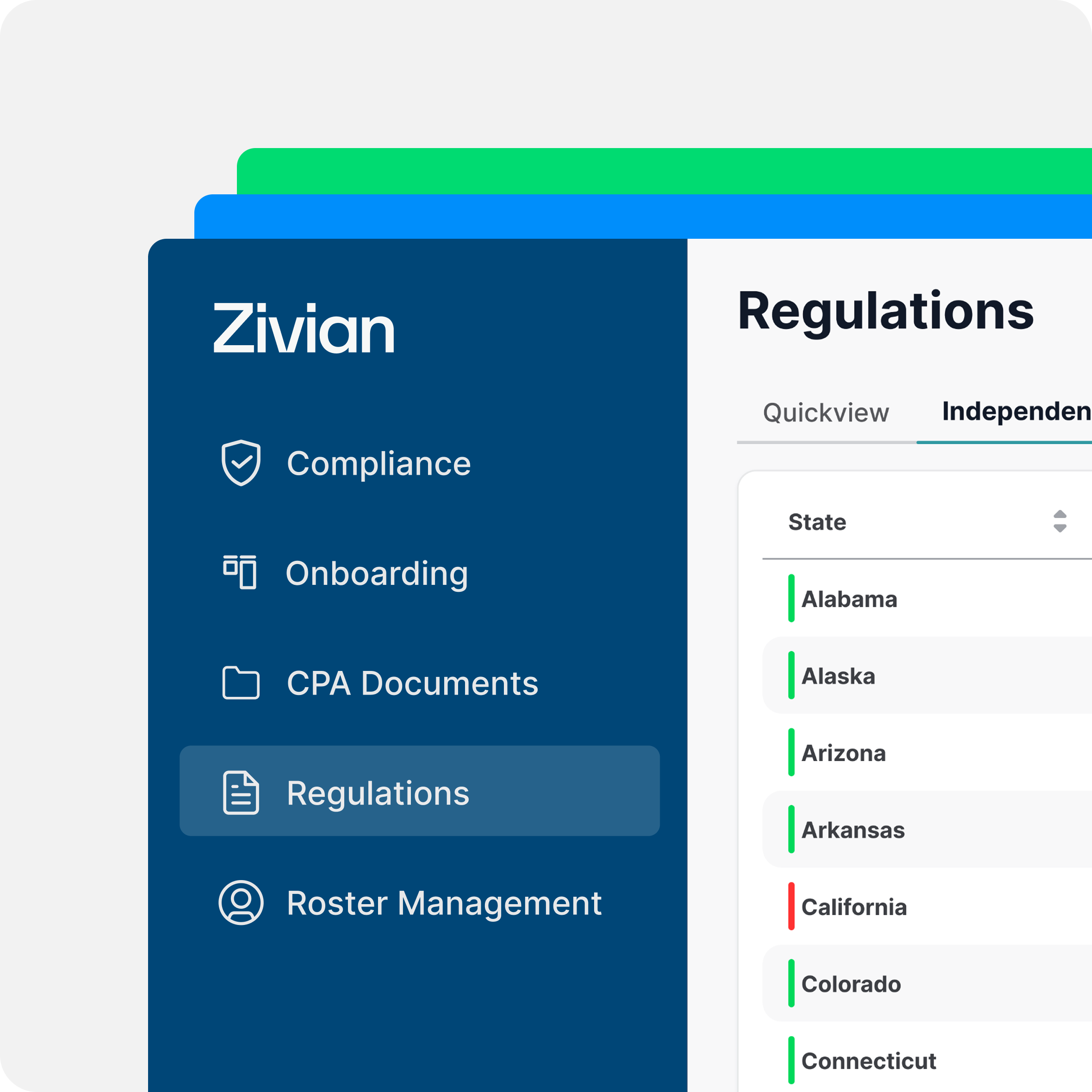
A summary of Iowa’s collaboration, agreement, filing, supervision, prescribing, and specialty rules for PAs and the physicians who collaborate with them.


Collaborating Physician Required? Only in specific cases. A PA who is not practicing through their own professional corporation or professional limited liability company does not need a supervising physician. Neither does a PA who has already practiced under a supervising physician, or in collaboration with an Iowa-licensed physician or other licensed health care professional, for at least two years.

Physician Involvement: High during a required two-year supervised period. Outside that, Iowa imposes no supervision requirement.

Agreement Name: Supervisory agreement

On-Site Requirements: None generally

Chart Review: Required, with no fixed count

Controlled Substances: Allowed. A PA who prescribes or dispenses controlled substances must register with the federal DEA. No state controlled-substance registration.

Reduced Supervision / Transition Requirements: Two years. A PA practicing through their own professional corporation or professional limited liability company who has not already practiced under supervision or in collaboration for two years must be supervised for that period, then continues collaboration determined at the practice level.
Iowa PA Collaboration Requirements Summary
Iowa does not require a supervising physician for most PAs. A PA who is not practicing through their own professional corporation or professional limited liability company is not required to be supervised, and neither is a PA who has already practiced under a supervising physician or in collaboration with an Iowa-licensed physician or other licensed health care professional for at least two years. Supervision applies to the narrow case where both conditions fail: a PA in their own professional corporation without those two years of prior practice must be supervised for two years, then continue collaboration determined at the practice level. Where supervision does apply, it is substantial — a written supervisory agreement, ongoing chart review, and board notification by the physician. This page covers Iowa’s rules on the collaborative relationship, the supervisory agreement, board filing, ongoing compliance, prescribing, and specialty and telehealth requirements.
Source: IAC 481-780.4
Type of Collaborative Relationship
Iowa requires supervision only in one situation: a PA practicing through their own professional corporation or professional limited liability company who has not previously practiced under a supervising physician, or in collaboration with an Iowa-licensed physician or other licensed health care professional, for at least two years. Everyone else practices without a required supervising physician. Where supervision does apply, involvement is high and the supervising physician retains ultimate responsibility for patient care, though they need not be physically present for each activity or be consulted before each delegated task. After two years, the PA moves to collaboration, which is determined at the practice level.
Source: IAC 481-780.5(1)
What is a PA’s scope of practice in Iowa?
Where a PA is supervised, scope of practice is what the supervisory agreement delegates, and every delegated medical service must fall within the scope of practice of both the supervising physician and the PA. Where collaboration applies, it means consulting with or referring to an appropriate physician or other health care professional as indicated by the patient’s condition, the PA’s education, competencies, and experience, and best practice guidelines.
Do PAs need a collaborating physician in Iowa?
Usually not. A PA is not required to be supervised if they are licensed in Iowa, or eligible to be, and have previously practiced under a supervising physician or in collaboration with an Iowa-licensed physician or other licensed health care professional for at least two years — or if they are simply not practicing through their own professional corporation or professional limited liability company.
Can PAs practice independently in Iowa?
Yes, in most cases. Supervision is required only for a PA practicing through their own professional corporation or professional limited liability company who lacks two years of prior practice under supervision or in collaboration. That PA must be supervised for two years and then continues collaboration determined at the practice level.
How many PAs can a physician collaborate with in Iowa?
Five. A physician who is already supervising five PAs is ineligible to supervise another.
Who can be a collaborating physician in Iowa?
A physician holding an active permanent, special, or temporary Iowa medical license who is actively engaged in the practice of medicine in Iowa. A physician is ineligible if they lack that license, are subject to a board disciplinary order restricting or rescinding their supervisory authority, do not have a written supervisory agreement with each PA they supervise, or are already supervising five PAs. During the two-year collaboration period that follows supervision, a collaborating provider must have been in practice at least five years and not be subject to discipline by their licensing authority.
Are there proximity or in-person requirements in Iowa?
Not generally — supervision does not require the supervising physician’s personal presence where services are rendered, except where the rules expressly say otherwise. Remote medical sites are the main exception: an ambulatory clinic more than 30 miles from the supervising physician’s main practice location where the physician is present less than half the time the site is open. The supervisory agreement must ensure the physician visits that site or communicates with the PA electronically at least every two weeks. Nursing homes, patient homes, hospital outpatient departments, outreach clinics, and locations where medical care is only incidental are not remote medical sites.
Collaboration Agreement Requirements
Iowa’s written agreement is called a supervisory agreement, and it applies wherever supervision is required. It must cover a joint review of PA licensure and supervision requirements, the physician’s assessment of the PA’s education, training, skills, and experience, the medical services being delegated, how the two will communicate and whether the PA works at the same site or a remote site, a plan for completing and documenting chart reviews, and the expectations and plan for alternate supervision. Iowa’s rules refer to a sample form available from the board. Neither party has an on-site storage obligation, but both must keep copies available for the board.
Source: IAC 653-21.4
What must be included in a PA collaborative agreement in Iowa?
Six areas: a joint review of all requirements for PA licensure, practice, supervision, and delegation; the physician’s assessment of the PA’s education, training, skills, and relevant experience, including the method for assessing and giving feedback; the medical services the physician delegates, all of which must be within both parties’ scope of practice; methods for communication and whether the PA practices at the same site or a remote site; the plan for completing and documenting chart reviews; and the expectations and plan for alternate supervision. Where the PA works at a remote medical site, the agreement must also include the two-week visit or electronic contact provision.
What is the collaborative agreement called in Iowa?
It is called a supervisory agreement. Iowa’s rules state that a sample supervisory agreement form is available from the board.
Who has to sign the collaborative agreement in Iowa?
Iowa’s rules do not state who must sign the supervisory agreement. A physician is ineligible to supervise unless a written supervisory agreement is in place with each PA they supervise.
How often must the agreement be reviewed or renewed in Iowa?
Iowa’s rules set no fixed review or renewal schedule. The supervising physician and PA must conduct ongoing discussions and evaluation of the supervisory agreement, covering supervision, expectations for both parties, assessment of the PA’s education and experience, review of delegated services and services provided, and the types of cases when the physician expects to be consulted.
Is a backup physician required in Iowa?
No specific backup physician is required, but the supervisory agreement must set out the expectations and plan for alternate supervision. The supervising physician must ensure the alternate supervising physician is available for timely consultation and that the PA knows how to reach them.
Board Filing Requirements
Iowa does not require the supervisory agreement to be filed, but it does require the physician to notify the board of the relationship. That notification is due within 60 days of providing initial supervision and again at each of the physician’s license renewals. The PA may practice from the start of the relationship — the 60 days run after supervision begins. No termination notice is required.
Source: IAC 653-21.3
Do you have to file the collaborative agreement with the board in Iowa?
No, but the supervising physician must notify the board of the supervisory relationship. The supervising physician keeps a copy of the supervisory agreement and provides it to the board on request, and the PA must keep documentation of their current supervising physicians available to the board on request.
Can a PA start practicing as soon as they file in Iowa?
Yes. The physician’s notification to the board is due within 60 days after initial supervision begins, so the relationship starts first and the notification follows.
What are the termination and notice requirements in Iowa?
Iowa sets no termination or notice requirement when a supervisory relationship ends. There is also no grace period provision for an unexpected termination.
Collaboration Compliance
Iowa’s central ongoing obligation where supervision applies is chart review. A licensed physician within the same facility or health care system as the PA must conduct an ongoing review of a representative sample of the PA’s patient charts encompassing the scope of the PA’s practice, and the findings must be discussed with the PA. Iowa sets no fixed chart count, no chart co-signature requirement, and no records retention period. The one meeting requirement applies to remote medical sites, where contact must happen at least every two weeks.
Source: IAC 653-21.4(2)(1)
How many charts must a collaborating physician review in Iowa?
Iowa requires ongoing review of a representative sample of the PA’s charts, without prescribing a number. The reviewing physician must be within the same facility or health care system as the PA, the sample must encompass the scope of the PA’s practice, and findings must be discussed with the PA in a manner the practice determines with the PA’s primary supervising physician. Chart co-signature is not required.
How often must a PA and collaborating physician meet in Iowa?
At least every two weeks if the PA works at a remote medical site; otherwise Iowa sets no required cadence. That remote-site contact can be an in-person visit or two-way interactive communication by telephone, secure messaging, email, or chart review. Patient care generally may be reviewed with the supervising physician in person, by telephone, or by other telecommunication, as determined at the practice level.
How long must collaboration records be kept in Iowa?
Iowa sets no retention period for supervision records. The supervising physician must maintain a copy of the supervisory agreement and provide it to the board on request, and the PA must maintain documentation of their current supervising physicians for the same purpose.
Prescribing Rules
PAs in Iowa may prescribe and dispense, and a PA who prescribes or dispenses controlled substances must register with the federal DEA. Iowa requires no state controlled-substance registration and adds no further conditions on prescriptive authority. There are no prescription pad requirements, but Iowa does set specific labeling rules for any container in which a PA supplies a prescription drug.
Source: IAC 481-781.1(1)(3)
Can a PA prescribe controlled substances in Iowa?
Yes, with federal DEA registration. Iowa requires no state controlled-substance registration and adds no heightened supervision requirement specific to controlled substances.
Can a PA prescribe Schedule II drugs in Iowa?
Iowa’s master regulatory data does not address drug schedules individually. Iowa’s labeling rule does contemplate PAs supplying Schedule II, III, and IV controlled substances, requiring the federal transfer warning statement on the container in those cases.
What schedule drugs can a PA prescribe in Iowa?
Iowa’s master regulatory data sets no schedule-by-schedule limits on PA prescribing. Controlled-substance prescribing or dispensing requires federal DEA registration, and where the PA is supervised, prescribing sits within the medical services the supervisory agreement delegates.
Does a PA need a DEA license in Iowa?
Yes, a PA who prescribes or dispenses controlled substances must register with the federal DEA. Iowa requires no separate state registration and sets no prescription pad requirements. Any container in which a PA supplies a prescription drug must be labeled with the name and practice address of both the supervising physician and the PA, the patient’s name, the date supplied, directions and any cautionary statement, and the drug’s name, strength, and quantity.
Can a PA prescribe independently (without physician sign-off) in Iowa?
Iowa requires no physician sign-off, co-signature, or prescription-level review. Where a PA is supervised, prescribing must stay within the medical services delegated in the supervisory agreement and within both parties’ scope of practice.
Specialty & Telehealth Requirements
Iowa sets no telehealth-specific requirements for PAs but does impose one strict specialty rule around eye care. A PA in independent practice may not measure the visual power and visual efficiency of the human eye, as distinguished from routine visual screening, unless the supervising physician is personally present where those services are rendered.
Source: IAC 481-781.2
Are there telehealth or telemedicine requirements for PAs in Iowa?
Iowa sets no telehealth-specific requirement for PAs in the master regulatory data. Iowa does build electronic communication into its general rules: patient care may be reviewed with a supervising physician by telephone or other telecommunication as determined at the practice level, and remote medical site contact may be satisfied electronically.
Are there specialty-specific requirements for PAs in Iowa?
Yes, eye care carries a personal presence requirement. A PA in independent practice may measure the visual power and visual efficiency of the human eye, as opposed to routine visual screening, only in the personal presence of a supervising physician at the place where those services are rendered.
Zivian gives you complete, real-time regulatory intelligence for NPs and PAs. Get step-by-step board-filing workflows, compliance and quality assurance tracking, and automatic alerts across all 50 states.